Why Digital Tools Matter for Environmental Awareness
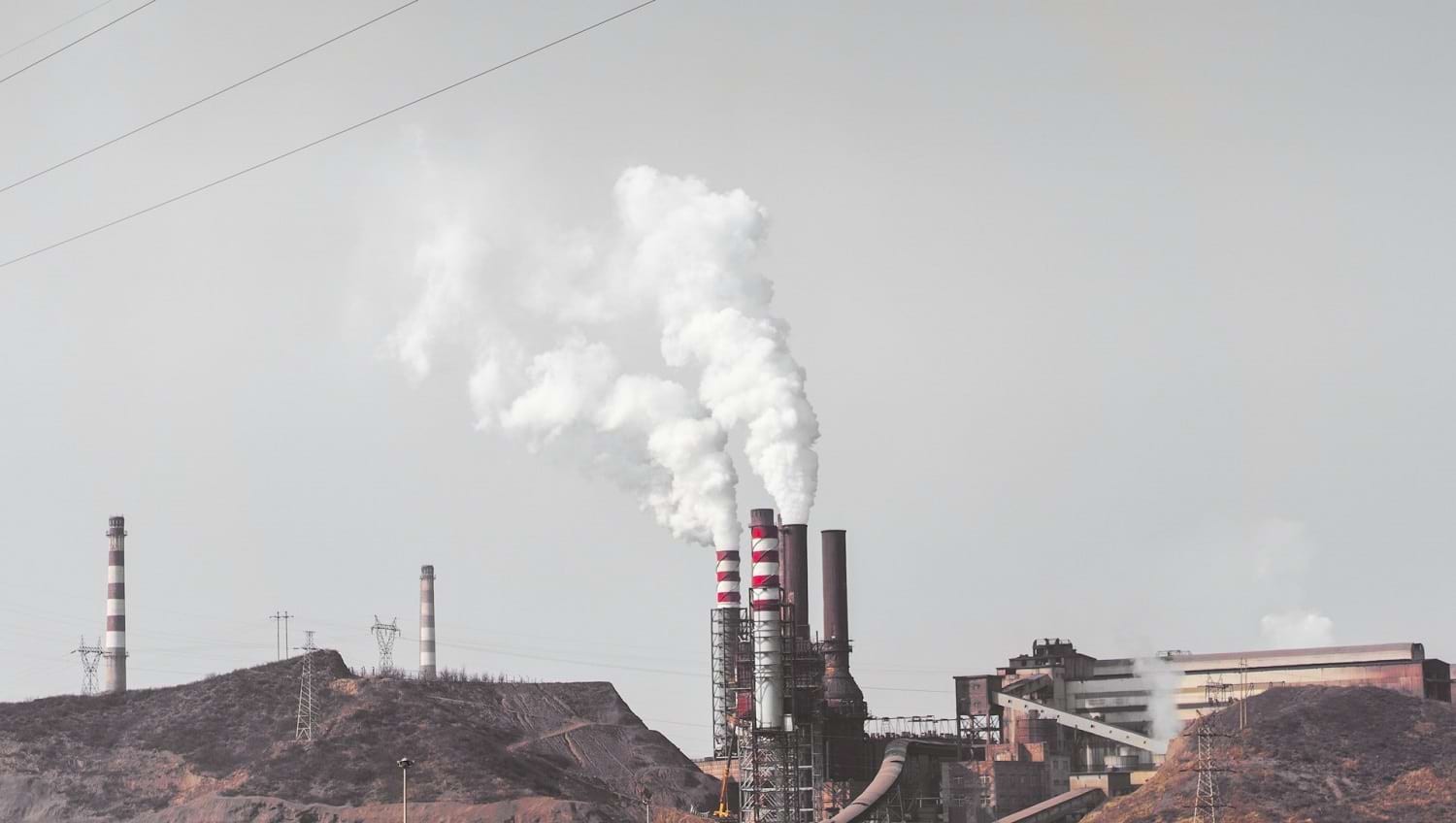
Air pollution has become one of the most discussed environmental challenges of modern society, affecting health, productivity, and overall quality of life. People increasingly want to understand what they are breathing, whether at home, at work, or while traveling. This growing need for accessible information has encouraged the development of digital solutions that translate complex environmental data into understandable insights. Among these solutions, the air quality app stands out as a practical companion for individuals who want real-time knowledge about their surroundings. By combining sensor data, scientific models, and user-friendly design, such applications bridge the gap between environmental science and everyday decision-making.
How an air quality app Collects and Interprets Data
At the core of every air quality app lies a sophisticated system for gathering and processing information. Data is usually sourced from government monitoring stations, satellite observations, private sensors, and sometimes even community-driven networks. These inputs measure pollutants such as particulate matter, nitrogen dioxide, ozone, and sulfur dioxide. The app then converts raw numbers into standardized indexes, color scales, and simple descriptions. This interpretation process is crucial, as it allows users without technical backgrounds to quickly grasp whether the air is clean, moderate, or harmful. The reliability of an air quality app depends on how frequently data is updated and how transparently sources are communicated.

Health Awareness and Daily Decision-Making
One of the most valuable aspects of an air quality app is its direct connection to personal health awareness. People with asthma, allergies, or cardiovascular conditions can use the information to plan outdoor activities more safely. Parents may decide whether it is a good day for children to play outside, while athletes can adjust training schedules to avoid high pollution periods. Even individuals without diagnosed conditions benefit from understanding long-term exposure risks. By sending alerts and personalized recommendations, an air quality app supports proactive behavior rather than reactive responses to environmental threats.
Urban Life, Mobility, and Smart Cities
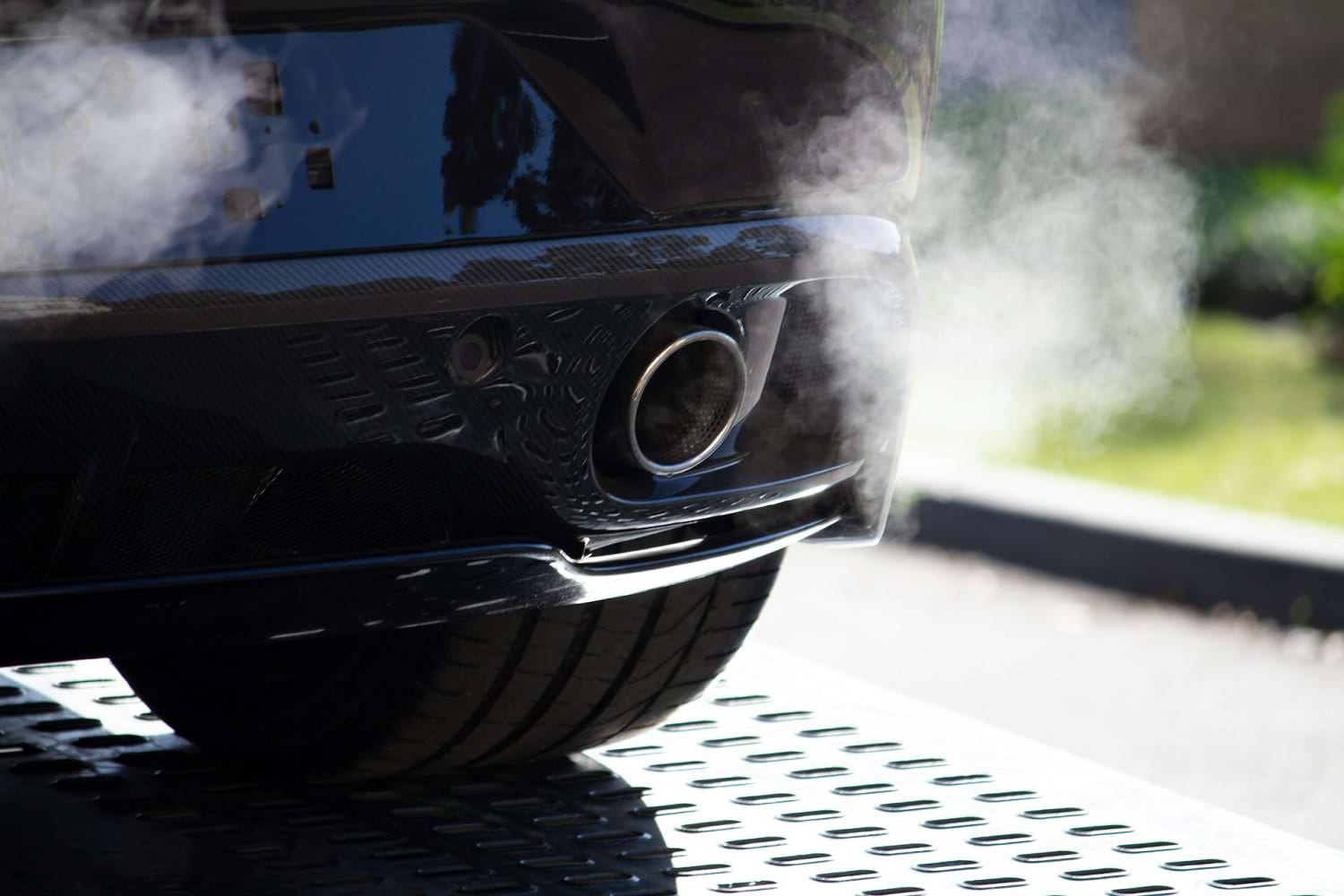
In densely populated urban areas, air quality often changes rapidly depending on traffic, weather, and industrial activity. Here, the air quality app becomes an essential tool for navigating city life. Commuters may choose alternative routes, cyclists can avoid heavily polluted streets, and city planners can analyze aggregated data to improve infrastructure. When integrated into broader smart city systems, an air quality app contributes to data-driven policies and sustainable development strategies. This connection between individual users and municipal decision-makers highlights the broader social impact of such technology.
Education, Engagement, and Long-Term Impact
Beyond immediate practical use, an air quality app also plays an educational role. Regular exposure to air quality data helps users understand pollution patterns, seasonal changes, and the consequences of human activity. Over time, this awareness can influence lifestyle choices, such as reduced car usage or support for cleaner energy solutions. Schools, community groups, and environmental organizations increasingly use insights from an air quality app to engage the public in discussions about sustainability. By making invisible problems visible, these tools encourage collective responsibility and informed dialogue.
A Small App with a Broad Influence
The growing popularity of the air quality app reflects a broader shift toward environmental transparency and personal empowerment. What once required specialized equipment and expert knowledge is now available on a smartphone screen. While no single tool can solve air pollution, widespread use of an air quality app helps individuals make smarter choices and supports a culture of awareness. As technology evolves and data becomes even more precise, these applications are likely to play an increasingly important role in how society understands and responds to the air it breathes.